What is the difference between Surface and Radar?
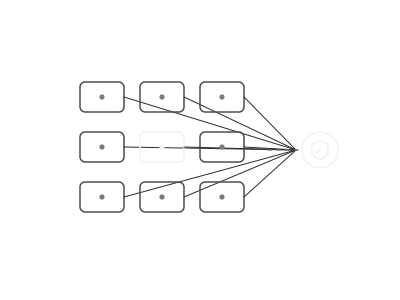
Surface is the device sensor: a lightweight agent on every managed device, plus a managed browser extension, that sees AI where it runs, including AI that never leaves the laptop. Radar is the cloud sensor: it connects to AI platforms such as Agentforce, Copilot Studio, ServiceNow, Databricks and Bedrock and pulls in the agents built there and their telemetry.
How does runtime security work on the device?
Surface inspects prompts, uploads and agent actions where they happen and applies policy on the device itself, returning a verdict in under 25 ms, offline included. Allowed steps carry on, warned steps show the person why, blocked steps stop, and steps that need approval wait for a reviewer. Agents on cloud AI platforms, seen through Radar, fall under the same policy and incidents.
Does prompt data leave the device?
Not by default. Surface evaluates prompts locally with small models, and raw content stays on the endpoint. You choose what is stored, where and for how long, and sensitive values can be masked before anything syncs.
Does SuperAlign work offline?
Yes. Detection and enforcement run on the device, and events sync when it reconnects.
Which tools does SuperAlign integrate with?
SIEM and observability tools (Splunk, Microsoft Sentinel, Elastic, Chronicle, Datadog), SOAR and ticketing (Tines, Torq, ServiceNow, Jira, PagerDuty), MDM (Jamf, Intune, Workspace ONE, Kandji) and identity providers (Okta, Entra ID, Google Workspace, SCIM).
How quickly can SuperAlign be rolled out?
About 15 minutes from install to a fleet-wide AI inventory. Rollout can be staged: monitor only, then warn, then block, by group, on your timeline.